Compare a builder offer and a resale home beyond the price
Look at the cash you need now, the payments later, and what each home still needs.
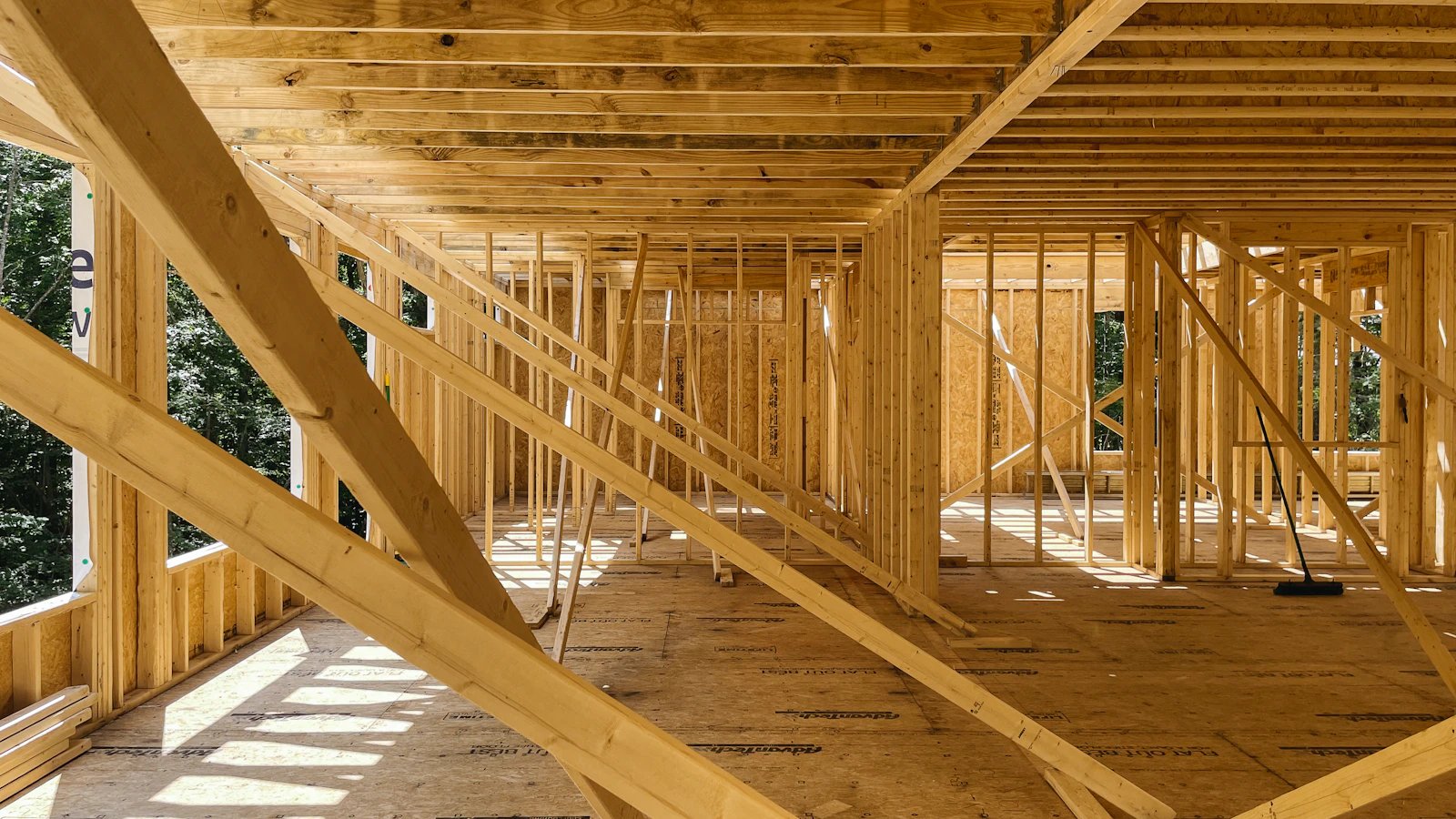
Compare written terms and full ownership costs, including the payment after a temporary incentive ends.
A builder’s incentive can make a new home look less expensive than the resale home you like nearby. To compare them, work out the cash each home would need at closing and during your first months there. Include the payment after any temporary promotion ends, the bills attached to each address, and any work you would need to fund.
Read the conditions attached to the incentive
Identify the price, included features, deposits, and expected completion or possession date. For an incentive, ask about expiration, eligibility, covered costs, and any required lender or service provider.
The CFPB advises buyers considering a builder deposit to ask when it can be returned. Buyers can also shop for financing instead of using an associated builder lender. Read the written conditions with your agent and bring unclear contract terms to an attorney before committing.
Compare the payment after the promotion ends
Ask lenders to explain offers using consistent down payment and loan assumptions where comparable, with quote dates visible. Compare points, lender credits, cash to close, mortgage insurance when applicable, and rate-lock terms.
If an advertised payment is temporary, ask for the payment that follows it and when the change occurs. Use that later obligation in your affordability discussion. Keep purchase incentives separate from financing costs so a credit in one part of the transaction does not distract from an expense elsewhere. A future refinance remains uncertain.
Price ownership at each address
Get an insurance estimate for each address and check tax figures with the local appraisal district or your tax adviser. Ask how estimates could change after new construction is fully assessed or ownership changes. A current bill or sales estimate needs that context.
Include applicable association charges and owner-paid utilities or services. Leave unknown amounts visible. Compare irregular annual bills as well as monthly payments. Two homes with similar principal and interest can still ask different amounts of your household budget.
See what your first months would require
Check the builder’s written specification for appliances, window coverings, landscaping, fencing, and selected finishes. Treat anything missing from the included scope as a separate decision. On resale, use inspection and specialist findings to investigate immediate repair needs and obtain meaningful quotes.
Compare warranty coverage, exclusions, duration, and the claim process. A warranty does not remove every ownership expense. Separate work needed for ordinary use from improvements you would prefer, then see whether the necessary work fits the cash left after closing.
Allow for a move that does not happen on the hoped-for date
Consider overlapping obligations, temporary housing, moving, or storage where they apply to your situation. Ask what the actual contracts say if completion, financing readiness, or possession changes.
Bring together cash due at signing and closing, initial work, ongoing bills, and later payment changes. Resolve the conditions that could change your choice before committing. Lauren can review the property comparison with you and help coordinate the financing and contract questions around your buying requirements.
Your checklist
Use this while you read. Your selections stay on this page until you leave.
Sources & further reading1
Source dates appear below where recorded. Confirm current requirements with the relevant authority.